Your Pedalboard Is Generic and That's Fine
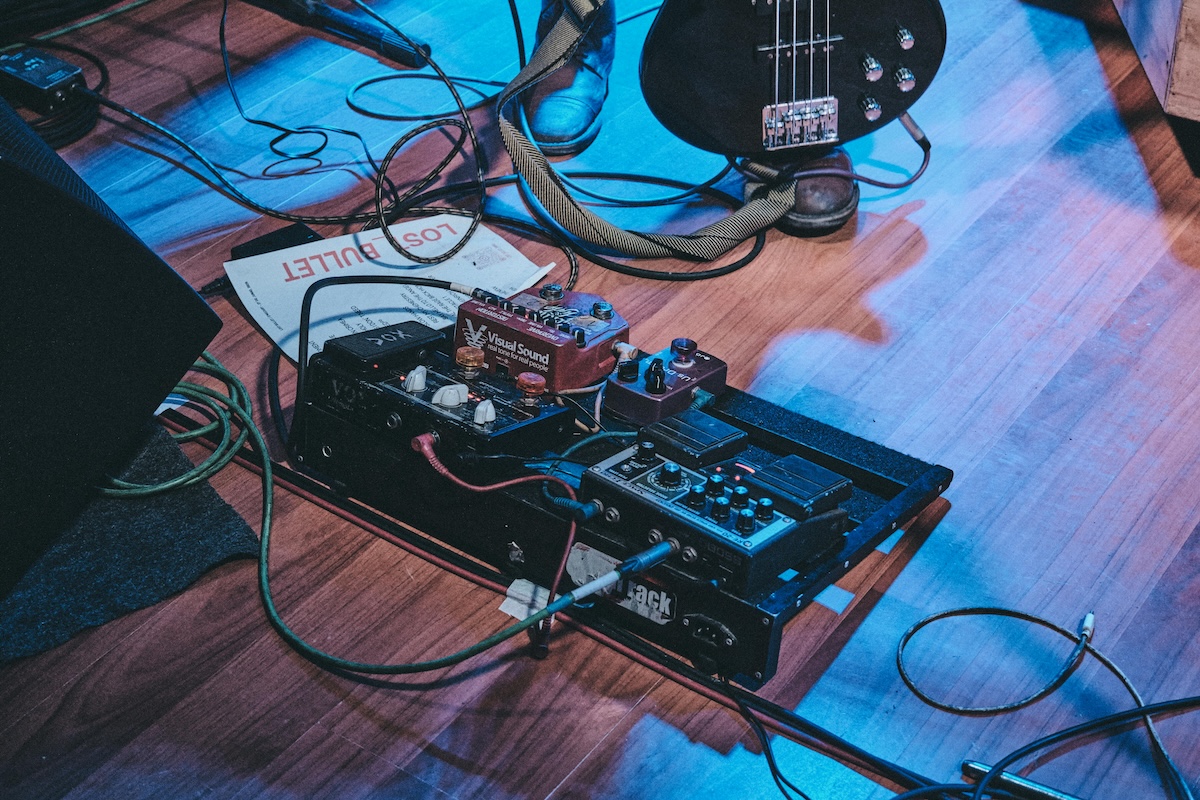
Scroll through any pedalboard hashtag on Instagram and you’ll see the same lineup: Strymon Timeline, BigSky, a Tube Screamer of some flavor up front, a tuner, immaculate cable management, an isolated power supply. It looks like every other board on the platform. There’s a whole corner of the internet that thinks this is a problem.
It isn’t.
The “Generic Pedalboard” Panic
There’s a specific kind of gear content that exists to make you feel bad about owning popular pedals. The premise goes something like this: if your board looks like everyone else’s, you sound like everyone else, and therefore you’ve failed some unspoken creativity test. The solution, conveniently, is to buy different pedals. Preferably the ones being featured in the video telling you this.
I think that’s nonsense. Not because there’s anything wrong with exploring weird gear. There isn’t. Weird gear is great. But the idea that a Boss BD-2 on your board means you lack imagination is the kind of take that sounds smart in a YouTube thumbnail and falls apart the second you think about it for more than ten seconds.


The Players Who Prove It Doesn’t Matter
B.B. King played a Gibson ES-355 through a Lab Series amp with almost no pedals for decades. He sounded like B.B. King. Nobody else who plugged into that rig sounded like B.B. King. The gear was a footnote. The vibrato, the phrasing, the way he bent a note and held it until it said what he wanted it to say. That was the sound.
Derek Trucks plays a Gibson SG into a tube amp. No pedals. Zero. His slide tone is one of the most recognizable sounds in modern guitar, and there’s nothing on his board because there is no board. The tone is in his hands, his intonation, his sense of when to push and when to pull back. Hand someone else that exact rig and it sounds like a different player, because it is.
John Mayer has run a Tube Screamer and a BD-2 for years. Two of the most common overdrive pedals on the planet. His tone is unmistakable. Not because the pedals are special, but because the hands on the strings are.


There’s a famous story about Eric Clapton visiting the Fender factory and plugging into a stock Stratocaster through a stock amp. Within three notes, everybody in the room knew it was Clapton. The guitar was generic. The amp was generic. The player was not.
What Actually Makes You Sound Like You
Here’s the part that gear culture doesn’t want to talk about, because you can’t sell it in a box with three knobs:
The notes you choose. Two guitarists can play the same chord progression over the same backing track and sound completely different based on which voicings they pick, which notes they emphasize, which ones they leave out. The silence between notes is half the music. No pedal affects that.
Your touch on the strings. How hard you press. Where you fret relative to the fretwire. Whether you’re pulling the string slightly sharp or pressing it dead center. This is the stuff that makes one player’s clean tone feel alive and another’s feel flat, and it has nothing to do with what’s on the board.
Pick attack. The angle of the pick, the part of the string you strike, whether you’re using the tip or the flat, how much follow-through you give each stroke. A Tube Screamer responds to these differences. So does every other overdrive. The pedal amplifies what your right hand is doing. If your right hand is doing something interesting, the pedal sounds interesting. That’s the whole relationship.
Timing. Not just whether you’re on the beat, but where on the beat. Playing slightly behind the beat feels completely different than playing on top of it. The best players move between those positions deliberately, and that push-and-pull is what gives music its feel. A delay pedal can’t fix bad timing, and it can’t replicate good timing. It just echoes whatever you gave it.
How you fit in the mix. The best guitarists aren’t thinking about their tone in isolation. They’re thinking about how their guitar sits next to the bass, the drums, the vocals. They roll off treble when the singer is in their range. They thin out their low end when the bass player needs room. This is the least glamorous part of sounding good and the most important, and it has almost nothing to do with which reverb is on your board.
The Gear Is a Delivery System
A Strymon El Capistan is a beautiful delay pedal. It’s also a delivery system for whatever you play through it. If you play something boring through an El Capistan, you get boring with nice-sounding repeats. If you play something with intention and dynamics and rhythmic awareness, you get that, with nice-sounding repeats. The pedal doesn’t write the music. It just dresses it up.

This is why two players can have identical rigs and sound nothing alike. The rig is the last five percent. The player is the other ninety-five. If you swapped pedalboards with your favorite guitarist tonight, you would not wake up sounding like them tomorrow. You’d sound like yourself, with different reverb.
So What Should You Actually Do?
Keep whatever’s on your board. If you like how a Tube Screamer sounds, use a Tube Screamer. If the BigSky makes you happy, the BigSky makes you happy. Popular pedals are popular because they work. There’s no shame in picking the thing that does the job.
Then spend the time and money you would have spent chasing “unique” gear on something that actually moves the needle: learn a new voicing. Practice playing behind the beat on purpose. Record yourself and listen back. Play with other musicians and pay attention to how your guitar sits against the bass. Transcribe a solo from someone who doesn’t play your genre. These things will change how you sound more than any pedal swap ever will.
The best pedalboard in the world is the one that gets out of your way and lets you play. If that’s a Timeline and a Tube Screamer, great. If that’s three $30 pedals from a brand nobody’s heard of, also great. The board is a tool. You are the thing that makes it sound like something worth hearing.
Nobody ever walked out of a concert saying, “That was incredible, I wonder what delay pedal that was.” They walked out saying, “That guitar player was incredible.” The pedals were just along for the ride.